Good event security is barely noticed, yet it decides whether the night descends into chaos or runs effortlessly. Five principles we apply to every event we staff.
A successful event begins long before the first guest arrives. The best security is almost invisible: it prevents problems instead of reacting to them, and actively contributes to the atmosphere. Yet safety is still too often treated as an afterthought — something to ‘sort out later’. That is a mistake. Below we share five principles we apply to every event, from an intimate corporate reception to a multi-day festival.
1. Plan for the busiest five minutes, not the average
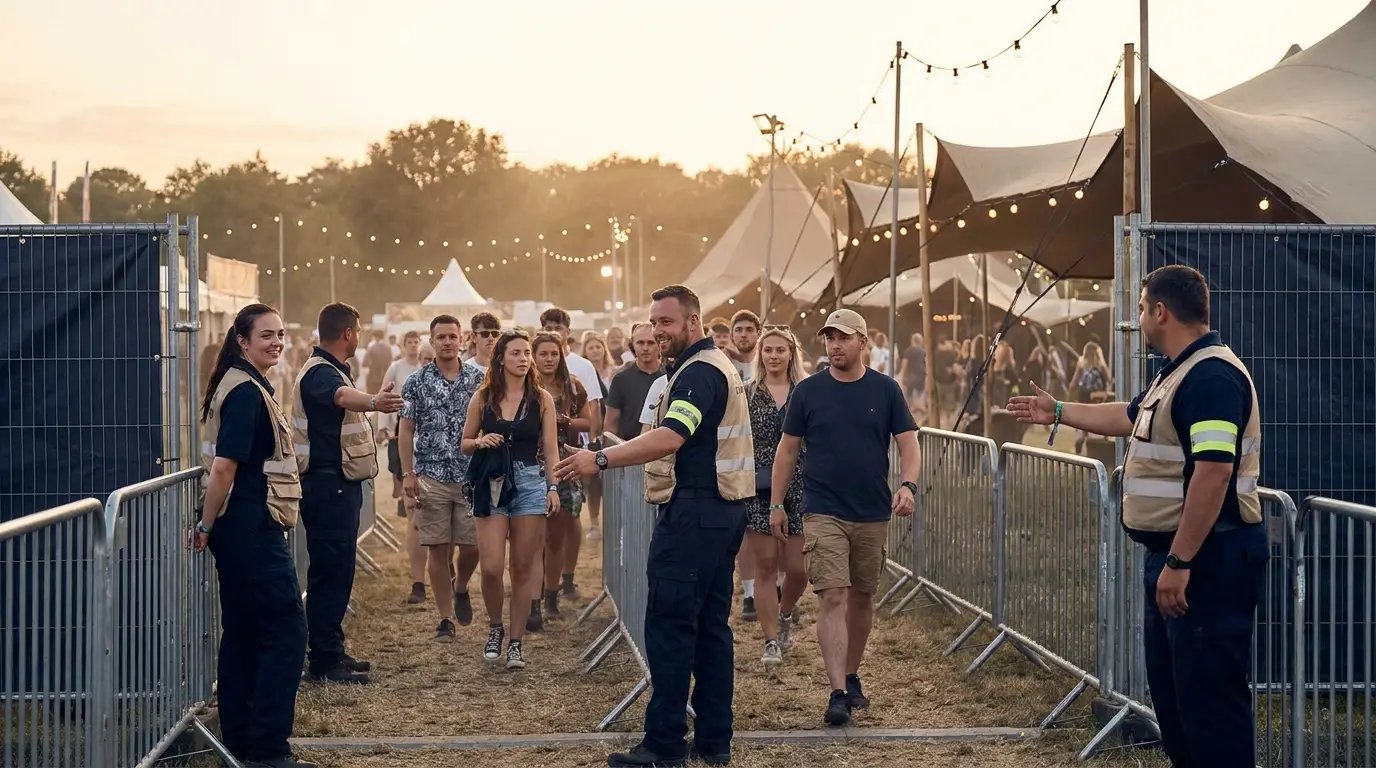
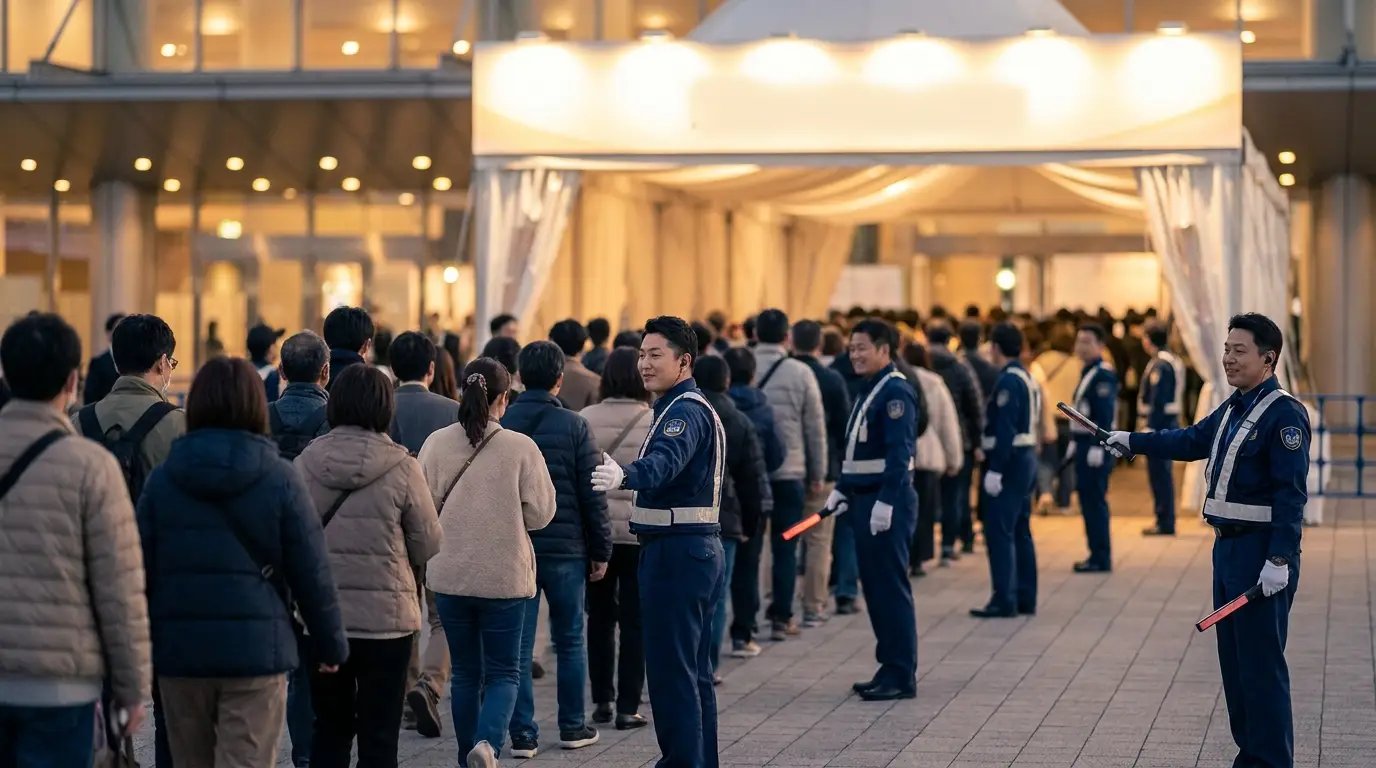
Capacity is not about averages — it is about peaks. The queue at the entrance, the crush at the cloakroom, the surge after the headline act: those are the moments when things go wrong. We map these peaks in advance and staff them accordingly.
- Model the expected arrival and departure curve per hour.
- Plan for the scenario where everyone wants in at once.
- Keep a flexible reserve of staff for unexpected crowds.
2. Hospitality is security
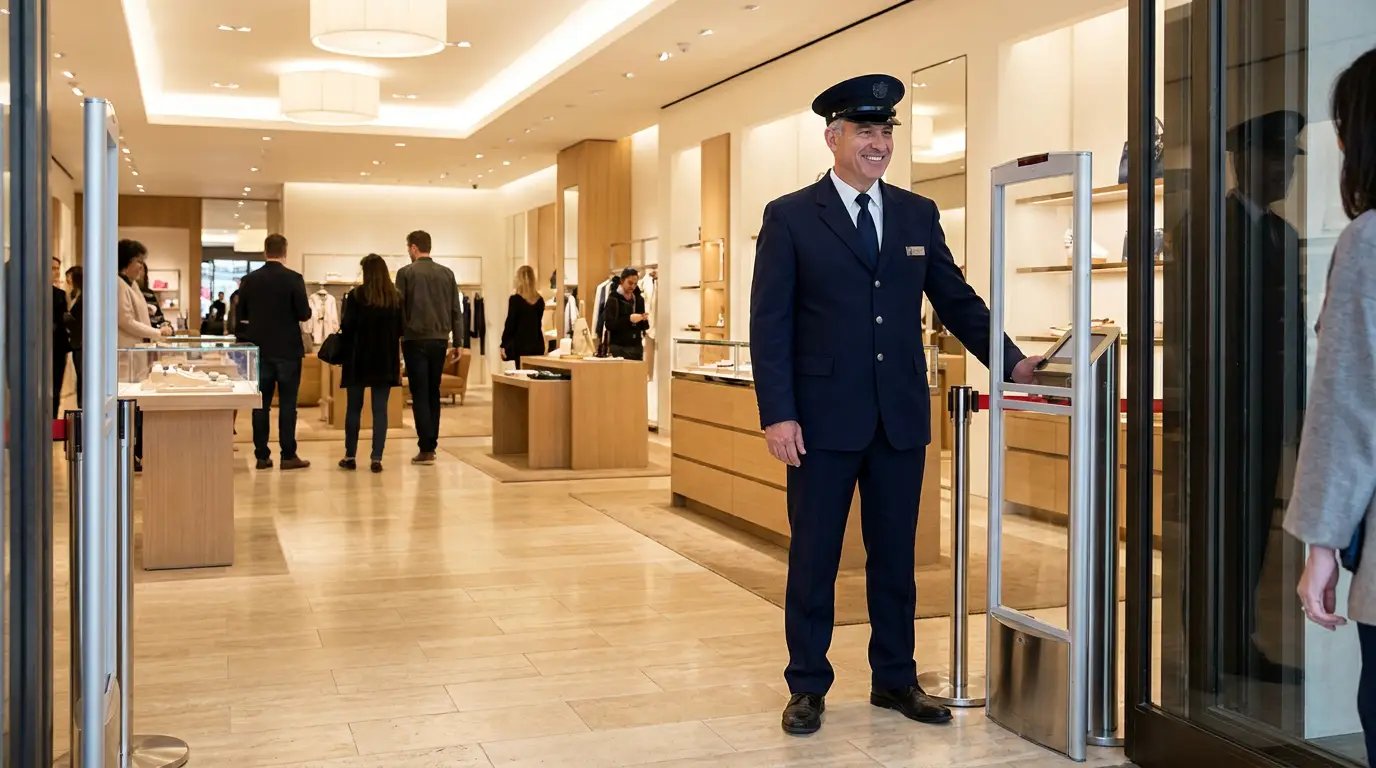
A friendly welcome de-escalates more than any show of force. Visitors who feel welcome behave more cooperatively and report problems sooner. That is why we train our staff in both hospitality and conflict management: visibly present, approachable, and calm.
The best guard stands out through calm, not through a show of force.
3. One clear chain of command
When something happens, confusion is the biggest enemy. Clear communication lines between organisers, security, and emergency services ensure everyone knows who decides what. Agree in advance who is in charge, which channels are used, and how an incident is escalated.
4. Know the venue in detail
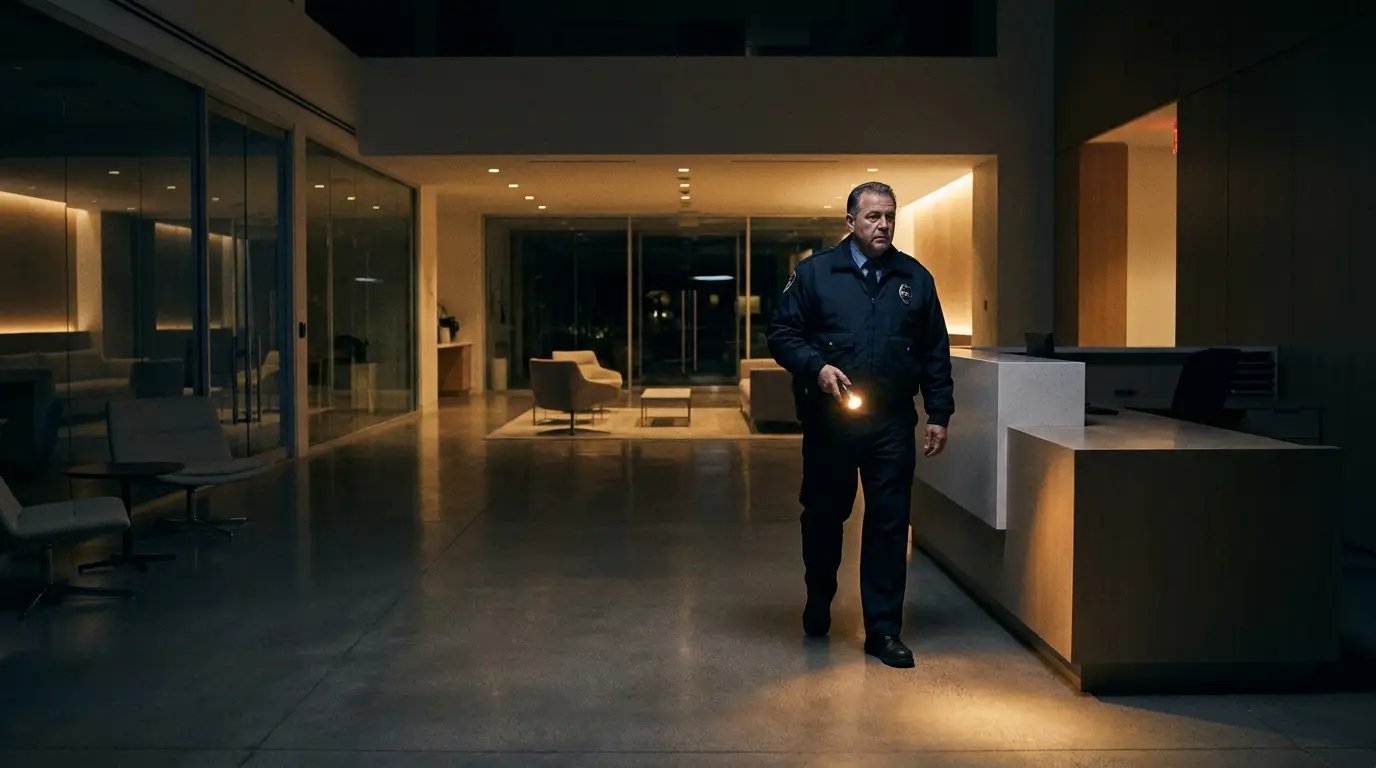
Escape routes, emergency exits, bottlenecks, and blind spots: those who know the venue see problems coming. We walk every venue beforehand, assign fixed posts, and define how to evacuate the space quickly and safely in an emergency.
What we check during the walk-through
- Are all emergency exits clear and well lit?
- Where does congestion form when the venue is full?
- Where are first aid, extinguishers, and the assembly point?
5. Evaluate and learn afterwards
Every event teaches a lesson. A short debrief — what went well, what could be better — makes the next edition better straight away. We record incidents and notable points in a clear report, so you and we keep improving.
Want to talk through the security for your next event? Our planners are happy to think along, with no obligation, about an approach that fits the scale and feel of your event. Request a quote and we will be in touch quickly.